 1-800-609-2917

 1-800-609-2917
Which Fire-Rated Access Panels Are the Best for High-Risk Commercial Installs?
Posted by Access Doors and Panels on 15th Jan 2026
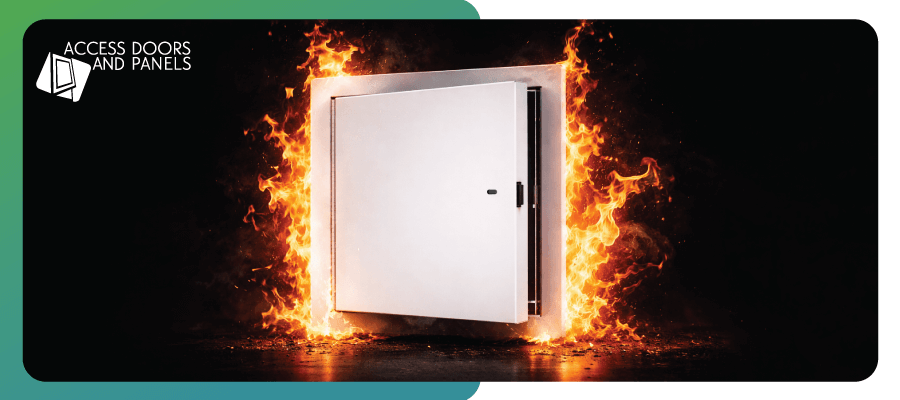
For high-risk commercial installations, the best fire-rated access panels preserve the integrity of rated assemblies. They deliver high fire-resistance ratings and come UL-certified with inspection-ready documentation.
Panels like the BA-FRI and FR models meet these standards. Their reinforced construction and tested fire ratings make them ideal for spaces such as hospitals, laboratories, data centers, and high-occupancy buildings, where maintaining fire-rated continuity is critical.
Without properly specified or installed panels, even a single access point can compromise an entire rated assembly. This leads to failed inspections, delayed occupancy, and costly reworks.
Selecting the right commercial fire-rated access doors can prevent these issues. It also reduces long-term liability on high-risk projects.
What Makes a Commercial Installation ‘High-Risk’ from a Fire Code Perspective?
A commercial installation is considered "high-risk" when the potential for fire is significant, and the consequences of a fire would be severe. This isn't determined solely by fire-rated walls. It depends on what's inside the building, how it's used, and how fast a fire could spread.
Key factors defining a high-risk or high-hazard installation include:
- Presence of Flammable or Explosive Materials: Facilities that store or process highly flammable liquids, gases, explosive substances, combustible dusts, or oxidizing chemicals are classified as high-risk under fire codes such as the IBC and NFPA.
- Type of Activity or Process: This includes operations that generate sparks, flames, or intense heat. Think welding, grinding, or hot work. It also includes commercial kitchens, industrial manufacturing, or high-temperature processes. Such activities increase fire likelihood.
- Building Characteristics and Occupancy: High-occupancy buildings and spaces housing vulnerable populations (hospitals, nursing homes, schools) are also considered high-risk. Another factor is the presence of complex layouts, which can complicate evacuation and fire suppression.
- Fire Spread Potential: Buildings with combustible structural elements or compromised compartmentalization (e.g., unsealed gaps in fire-rated partitions) are also more prone to fire and smoke spread.
High-risk commercial access panels require rigorous fire performance measures. They must maintain their integrity to ensure code compliance.
Find out how our fire-rated access panels can support compliance and fire performance in your upcoming high-risk commercial project. Browse our access solutions for UL-certified access panels that pass inspection the first time.
Which Fire Ratings Are Typically Required for Access Panels in Commercial Buildings?
Fire-rated access panels are typically required to match the fire-resistance duration of the wall or ceiling assembly they penetrate. The most common ratings are 1 hour, 1.5 hours, or 2 hours.
These durations are not random. They are designed to limit fire and smoke spread long enough to allow occupants to evacuate and for the fire department to respond.
In commercial buildings, the required fire rating for an access panel is determined by several factors. These include:
- Location within the structure
- Occupancy classification, e.g. high vs low-hazard
- Function of the space
- Fire compartment strategy
1-hour ratings are commonly used in corridors, tenant separations, and mechanical rooms. 1.5-hour and 2-hour ratings are more typical in stairwells, shaft enclosures, fire barriers between occupancies, and critical service spaces.
The core requirement is continuity of the rated assembly. A single non-rated or mismatched access panel can invalidate the entire assembly and result in inspection failure.
Since fire performance standards vary by jurisdiction and are subject to change, contractors should verify final rating requirements against the project documents. They should also confirm with the Authority Having Jurisdiction (AHJ) before specifying or installing access panels.
Related: What Are the Key Benefits of Using Fire-Rated Access Doors in Commercial Construction?
What Documentation and Approvals Are Required for Fire-Rated Access Panels?
At a minimum, commercial fire-rated access panel submittals should include:
- Third-Party Fire-Test Certification or Listing: Documentation from a recognized testing agency (such as UL, UCL, or Intertek) confirming the panel's fire-resistance rating and tested conditions.
- Manufacturer Cut Sheets and Product Data: Clear identification of the panel model, fire rating duration, construction materials, door configuration, and any size or installation limitations.
- Approved Rated Assembly Details: Information showing how the access panel integrates into a rated wall or ceiling assembly, including substrate type and allowable installation methods.
- Installation Instructions Tied to the Fire Rating: Field installation guidance that aligns with the tested assembly; deviations can invalidate the fire rating.
In high-risk commercial environments, missing or mismatched documentation is a common cause of rejected submittals and failed inspections. Fire-rated access panels can be disapproved if the documentation does not clearly demonstrate continuity of rating or approved installation conditions.
Selecting fire-rated access panels with well-documented, inspection-ready approvals reduces RFIs, prevents field corrections, and helps keep high-risk commercial projects on schedule.
Related: How Do You Choose Fire-Rated Access Panels That Pass U.S. Building Codes the First Time?
Where Are Fire-Rated Access Panels Most Critical in Commercial Projects?
Fire code-compliant access panels are most critical wherever building systems intersect with rated wall or ceiling assemblies.
- Stairwells and Shafts: They serve as protected paths for occupant egress and fire department access.
- Fire-Rated Corridors and Separation Walls: Panels installed in these areas must preserve compartmentalization, which is essential for slowing the spread of fire and allowing for safe evacuation.
- Mechanical Rooms, Electrical Chases, and Service Shafts: These areas frequently require fire-rated access to valves, dampers, and controls located behind rated assemblies.
- Ceiling Assemblies: These become critical when they serve as part of a rated horizontal separation, such as between floors or between conditioned and essential zones of a building.
Ensure your walls and ceilings stay code-compliant and inspection-ready. Request a quote and protect your high-risk commercial project from rework and delays. Can't find the right size? Customize your fire-rated panels to meet the exact needs of your project.
How Do the BA-FRI and FR Access Panels Support High-Risk Commercial Installs?
BA-FRI and FR models are ideal in high-risk commercial installs because they align with fire-rating expectations in regulated environments.
BA-FRI Fire-Rated Insulated Access Panel
Here's why BA-FRI Fire-Rated Access Panel is well-suited for high-risk commercial projects:
- UL-certified 2-hour fire rating with 2" mineral wool insulation for enhanced fire resistance
- Self-closing, self-latching slam latch compliant with NFPA 80 requirements
- Durable steel construction with a 16-gauge cold-rolled steel frame and a 20-gauge galvanized steel door
- Suitable for both walls and ceilings, including stairwells, mechanical rooms, and attic access
- Exposed flange design for straightforward installation in rated assemblies
- LEED v4–compliant, with sustainably sourced insulation containing 70% recycled material
FR Fire-Rated Access Panel
The FR Fire-Rated Access Door fits high-risk commercial projects due to the following features:
- UL fire-rated for 1½ hours ("B" Label), meeting ANSI/UL 10B requirements
- Heavy-duty spring closer that ensures positive latching and maintains rated integrity
- 16-gauge galvannealed steel construction for durability in demanding conditions
- Concealed hinges and secure sliding-bolt latch support clean installation in rated walls
- Prime-coated finish ready for field painting to match commercial interiors
Related: What Are the Best Access Doors and Panels for Fire-Rated Walls?
FAQs About Fire-Rated Access Panels for High-Risk Commercial Buildings
1. What fire ratings are required for access panels in commercial buildings?
Fire-rated access solutions must match the fire-resistance rating of the surrounding wall or ceiling assembly. Common ratings include 1-hour, 1.5-hour, and 2-hour, depending on occupancy type, location within the building, and fire compartment strategy.
2. Which areas in a commercial building require fire-rated access panels?
Fire-rated access panels are most critical in locations that are part of the building's fire-resistance and egress strategy. These include:
- Stairwells
- Fire-rated corridors
- Mechanical and electrical chases
- Shaft enclosures
- Rated ceiling assemblies
3. What documentation and approvals are needed for fire-rated access panels?
Submittals should include:
- Third-party fire-test certification (UL, Intertek),
- Manufacturer cut sheets
- Rated assembly details
- Installation instructions
Proper documentation ensures panels meet IBC and NFPA standards. This reduces the risk of RFIs, rework, or failed inspections on high-risk projects.
4. How can fire-rated access panels reduce inspection approval risk and long-term liability?
To minimize inspection risks, fire-rated access panels should match the rated assemblies, comply with code requirements, and be accompanied by inspection-ready documentation. This also helps reduce the time spent on rework and project delays, thereby minimizing long-term liability.
Conclusion
High-risk commercial installations demand fire-rated access panels that preserve the integrity of fire-rated assemblies. Access Doors and Panels offers UL-certified models, such as the BA-FRI and FR, to ensure your project not only complies with regulations but also remains reliable for years to come.
Contractors can specify such models in regulated environments as they meet stringent fire-resistance expectations. As a result, they help reduce inspection risk, rework, and long-term liability.
For facility managers and architects, selecting the correct fire-rated access panels is a proactive step. It supports long-term maintenance and aesthetic integration, all while ensuring predictable project outcomes.
Contact our team to confirm fire-rated access panel compliance for your next commercial install or call +1-888-327-5471.