 1-800-609-2917

 1-800-609-2917

How Are Public Infrastructure Projects Driving Demand for Code-Compliant Access Panels in 2026?
Posted by Access Doors and Panels on 23rd Dec 2025
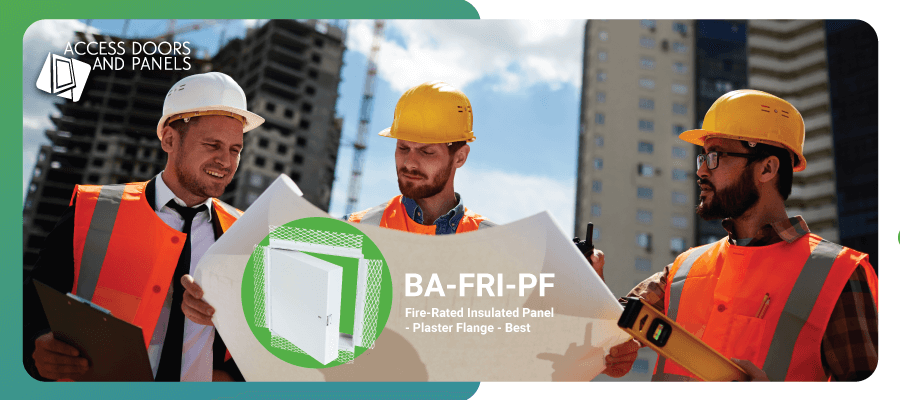
2026 public infrastructure projects are accelerating demand for code-compliant access panels that meet updated standards, withstand heavy use, and pass tougher inspections. Increased government investment and expectations around performance, durability, and long-term lifecycle value drive this shift.
Access panels are no longer secondary components.They're inspected as part of fire separations, energy performance pathways, and security upgrades.
Architects need models with verified UL fire ratings. Contractors need products that won't cause inspection delays. Public sector procurement teams want standardized SKUs they can use across multi-site projects.
In this post, we'll discuss access solutions built for public environments that can't afford downtime, rework, or failures.
Why Are Public Infrastructure Projects Increasing Demand for Code-Compliant Access Panels in 2026?
The 2026 code cycles are tightening the expectations for fire compliance, energy performance, tamper resistance, and infrastructure durability standards—and access doors and panels are no exception.
Several building code updates are set to take effect in January 2026, including:
- Updates to the California Building Standards Code, also known as Title 24
- The Ontario (Canada) Fire Code Updates
- Upcoming 2026 NFPA revisions to the National Electrical Code
With tighter fire-compliance rules and evolving energy codes, specifiers must ensure that access panels are compliant. Unlike past cycles, these updates emphasize deeper verification and documentation.
Secondly, government-funded facilities are expanding. Think new transit stations, upgraded hospitals, growing school districts, and modernized administrative buildings.
Such large projects include dozens, sometimes hundreds, of access points. Every access point represents a potential failure point if it's not UL fire-rated, insulated, or secure. This is especially true for areas where public interaction is unavoidable.
Lastly, municipalities push for SKU consistency across campuses or networks. A school board, for example, may want one fire-rated model specified across 30 buildings. A transit authority may require tamper-resistantmodels for every corridor and platform.
The need for uniformity directly increases demand for compliant, standardized products. Any non-compliant panel can trigger delays, rework, and cost overruns. For publicly funded projects under scrutiny for budget discipline, this can be detrimental.
Ensure every access point meets 2026 code standards with panels built for fire-rated, tamper-resistant, and durable performance. Explore our full range of access doors designed for public buildings and infrastructure projects.
What Features Must Access Panels Have for Infrastructure-Level Performance?
Infrastructure-grade access panels must combine some or all of the following features to meet the realities of public buildings in 2026:
- UL fire ratings
- Tamper resistance
- Insulation
- Durability
- Architectural aesthetics
These environments demand more than basic accessibility. They require systems that comply with fire codes, preserve energy performance, and withstand years of heavy use while blending seamlessly into civic interiors.
Fire Ratings
Panels must align with UL-listed assemblies and meet ASTM/NFPA standards.
In hospitals, schools, and transit stations, fire separations protect egress routes and critical building systems. Access panels should match these separations. An untested panel compromises such assemblies, which can lead to inspection failures.
For contractors and procurement teams, it's always important to verify documentation before ordering fire-rated panels for public buildings.
Tamper-Resistance
Public spaces invite tampering, vandalism, and misuse. Tamper-resistant construction, reinforced doors, and secure latching prevent unauthorized access. Secure panels are especially necessary for electrical rooms, mechanical shafts or life-safety systems.
Durability
This is a non-negotiable for infrastructural projects. Access panels in these buildings are subject to constant wear.
Think about how frequently service staff open these access panels, the volume of equipment moving through corridors, and the public traffic in airports and transit hubs.
Heavy-duty frames and robust finishes are necessary to prevent deformation and corrosion.
Energy Efficiency
Airtight and insulated designs limit heat loss in exterior or semi-conditioned spaces. The help buildings meet energy efficiency codes and sustainability goals. For large projects, this also means significant savings on utility bills.
Aesthetic Integration
As municipalities modernize their aesthetics, panels must look the part.
Clean lines, plaster flanges, concealed hinges, and smooth finishes help them blend into government offices, hospital corridors, courtroom interiors, and academic environments. This ensures access points remain functional without the visual noise.
What Should Procurement Teams Consider When Specifying Access Doors for Public Projects?
Procurement teams should focus on verifying compliance and standardizing SKUs to streamline multi-building public projects.
- Confirm that the UL-rated panel matches the wall or ceiling assembly, not just the general requirement. Submittals should be clear, traceable, and easy for inspectors to validate.
- Confirm that hardware, thickness, and locking systems align with the building's vulnerability level. Correctional facilities, transit hubs, and public schools often require higher tamper resistance than commercial projects.
- Standardize specs across projects to simplify sourcing and warehouse stocking and ensure consistency. Government buyers often prefer to use a single model, SKU, and documentation set across a district, department, or campus.
- Ensure you have all the appropriate documentation. Inadequate cut sheets, missing certifications, and unclear UL data can derail inspections. Teams should favor suppliers known for consistent, accurate technical packages, like Access Doors and Panels.
How Can the BA-FRI-PF Support Your 2026 Infrastructure Project Needs?
The BA-FRI-PF supports public infrastructure projects by being compliant, durable and aesthetically aligned. This product helps you meet the 2026 civic building compliance through these features:
- Fire-Rated Durability: Provides up to 3 hours of fire resistance on vertical walls and 1 hour on ceilings. Complies with UL 10B, NFPA 252, and CAN/ULC S104 standards.
- Easy Drywall Integration: Exposed plaster bead flanges allow seamless installation into drywall walls. They deliver a smooth, flush finish that maintains the aesthetic integrity of civic interiors.
- Hassle-Free Access: A self-latching mechanism for secure, hands-free operation, making routine maintenance or inspections faster and safer in busy facilities.
- Long-Lasting Construction: Made from 16-gauge cold-rolled steel with a 20-gauge galvanneal frame, resisting wear, corrosion, and heavy use common in public buildings.
- Thermal and Energy Efficiency: 2" thick fire-rated mineral wool insulation enhances both fire performance and thermal efficiency.
- Versatile Application: Suitable for new and retrofit projects. Covers a wide range of wall and ceiling configurations, making it great for repeated specification in megaprojects.
- Compliance-Ready: Comes with full UL and NFPA certifications, masonry anchors, and clear documentation. This simplifies approval during inspections and reduces project delays.
Connect with us to discuss bulk orders, custom solutions, or technical specifications for your next civic project.
FAQs About Public Infrastructure Access Doors
1. What makes an access panel code-compliant for public infrastructure projects?
A code-compliant access panel meets fire-rating requirements and energy efficiency codes.They're made from durable materials and secure hardware, and have insulated cores and airtight seals. For 2026 infrastructure projects, compliance also means having complete documentation and verified labels, e.g. UL/ULC.
2. Why do public buildings need fire-rated access panels in 2026?
In 2026, construction demand access panels that meet stricter fire and energy performance codes. UL-listed panels preserve fire-rated walls, ceilings, and other assemblies. They help maintain fire separations and prevent inspection delays across civic projects.
3. How do procurement teams choose the right access doors for public projects?
Procurement teams choose access doors by verifying their compliance and durability. This involves identifying specific features and reviewing strong documentation. They also standardize SKUs across multiple buildings to ensure efficiency during the sourcing process.
4. Why are tamper-resistant access doors important in government and civic buildings?
Tamper-resistant access doors ensure the security of critical systems in areas exposed to the public. Government, transit, and institutional buildings rely on tamper-proof hardware and reinforced designs to prevent unauthorized access. This helps reduce maintenance risks and maintain compliance.
Conclusion
Access panels are no longer afterthoughts in public-sector construction. They are essential components of compliance, security, energy performance, and government inspection readiness for 2026 projects.
As municipalities and federal agencies invest in infrastructure, the demand for panels that meet building standards and deliver long-term durability will continue to rise.
Choosing code-compliant access panels protects project timelines, eliminates rework risk, and satisfies inspectors. They ensure the facilities operate efficiently for years to come.
Access Doors and Panels remains your trusted partner for public buildings that need certainty, compliance, and performance. Get a quote on access solutions ideal for high-traffic, public-sector builds. Call +1-888-327-5471.